Healthcare is undergoing rapid transformation. Patients require a more humane approach to healthcare that is not only to their liking but also easily available in their everyday routine. By 2025, mobile-first wellness will not just be an option, but a requirement. There will be a transition in the way patients and corporations perceive healthcare support.
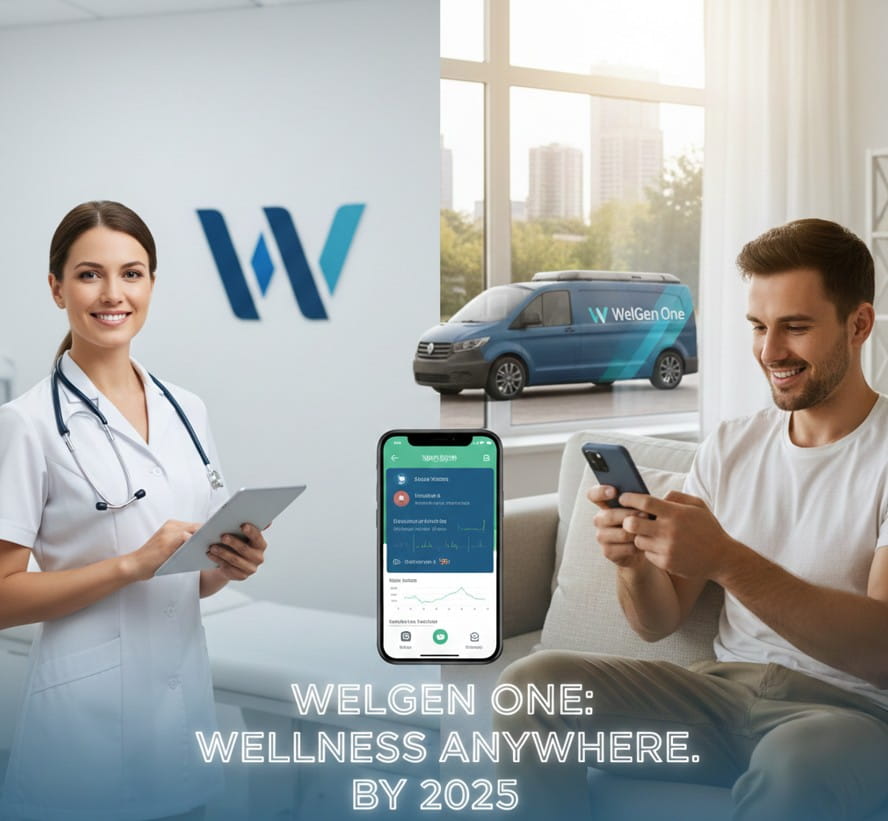
In a proactive manner, WelGen One is making big changes by transitioning healthcare from just the clinic to seamless integration into daily life.
The Rise of Mobile Wellness Programs
Mobile healthcare has no definite places while traditional healthcare most of the time depends on fixed locations. Such a system can cause problems in terms of accessibility. Mobile wellness programs are breaking down these barriers and delivering services right to the doorstep of patients, offices, and communities.
This method brings more people in and at the same time facilitates their participation thus; early detection and prevention are also supported. Convenience in wellness will ensure that people remain involved and are taking initiative with their health.
Patient-Centered Support That Feels Personal
Patient of today expects their healthcare provider to be adaptable. Nurses and doctors with only one option for the entire patient population are a thing of the past. The new trend is that programs concentrate on personalization, aftercare, and continuous support.
A good example of this is the Genesight Patient Assistance Program which is crucial in helping patients to use their health benefits while at the same time being less stressed in making those decisions as they are provided with the needed support This type of assistance not only relieves stress but also allows for the growth of trust during the patients’ journey through wellness.
Wellness That Extends Beyond the Clinic
Aftercare is not just for single visits; health monitoring and education are crucial as well. One of the main advantages of mobile outreach programs is the ability to keep engaging the patients without interruptions.
The effectiveness of the combination of onsite screenings, remote tools, and digital access is undeniable. Early detection of health risks is the major plus point of this practice and, in addition, it contributes to the formation of lasting healthy habits among patients.
Corporate Wellness as a Strategic Priority
Healthiness at the work place is not anymore, a secondary benefit. It is a main issue for business. Employees who are in good health are more engaged. They produce more. They also have fewer disturbances.
This change is being supported by the Corporate Virtual Wellness Program. It makes it possible for companies to grant their staff access to wellness programs without being hindered by distances. The employees can be participating from various places. The reach and consistency throughout the teams are thus enhanced by this flexibility.
Digital Tools That Strengthen Engagement
Modern wellness relies heavily on technology. Digital platforms track progress, for example. They also serve to improve communication between the providers and the participants.
The use of remote monitoring tools can result in timely interventions. Educational resources make people more empowered to know their health better. If the information is clear and easy to access, the participation tends to go up automatically.
Closing Perspective
The wellness of the future will be flexible, personalized, and accessible. Outreach programs using mobile technology are already bringing about a healthcare system that is in tune with the modern lifestyle.
Integrated wellness solutions will thus be very important in the future as they will be able to keep up with the changing expectations. They promote prevention. Besides, they increase the participation of people. In the end, they play a significant role in the creation of healthier communities and working places.

 Corporate Center:


